English
  Português
  Deutsch
  Español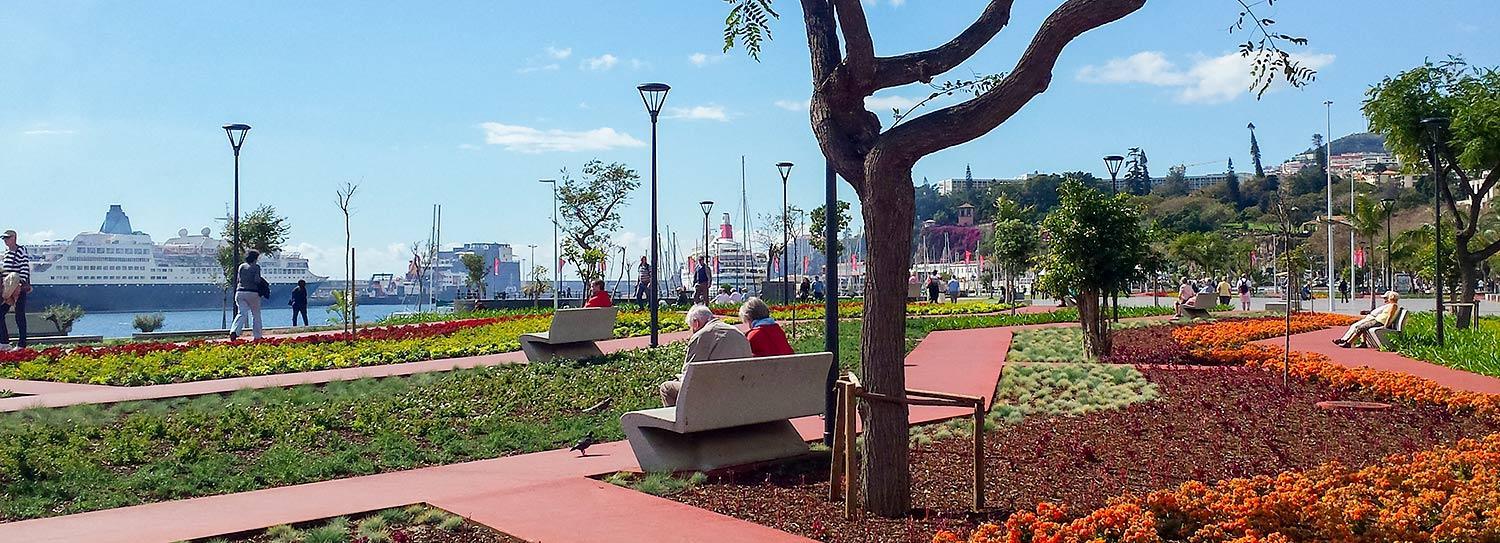

The welcoming populace, wonderful climate and diverse selection of hotels and tourist accommodation to suit every taste and budget makes Madeira a holidaymaker’s delight. Early tourists to Madeira were passengers of the great cruise liners because Madeira was an important coaling station and excursions into the countryside were a pleasant day’s break from the rolling Atlantic.
In 1894 William Reid opened his eponymous hotel on the western edge of Funchal bay and English tea for the cognoscenti has been served there ever since. A collection of the eminent and infamous visited the island during this time, from George Bernard Shaw, who took time off to learn to dance, and Winston Churchill, who painted the village of Câmara de Lobos. Madeira also welcomed its share of exiles from Napoleon who stopped off on his way to St. Helena, to Charles Archduke of Austria, the last of the Hapsburg Emperors who died, and was buried, in Monte.
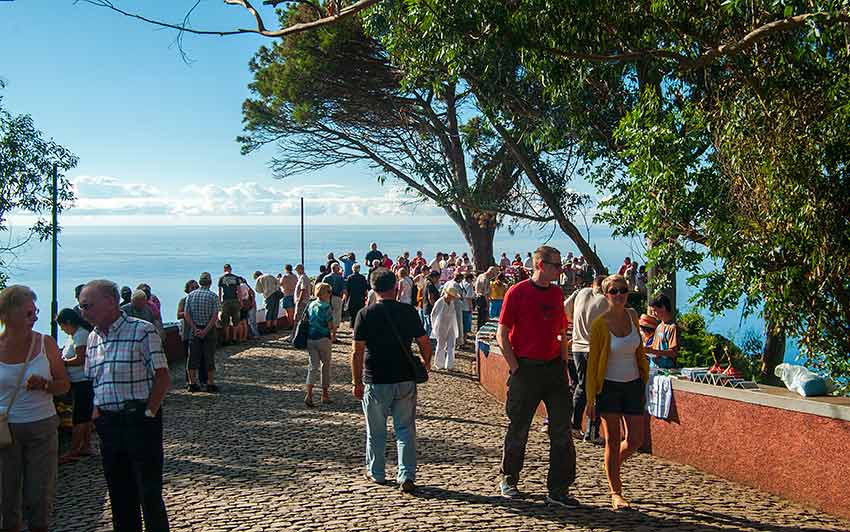
On the back of Mr. Reid's success, a number of other hotels followed, but beds were still limited until the opening of the airport in 1963. Today’s tourists come mostly by plane from Germany, Scandinavia and the UK to find some winter sun, peace and quiet. The summer months see a greater demand from the countries of southern Europe, where people come to escape the searing heat and tourist influx in their home towns.
As an echo to the past, many people now arrive by ship, as Funchal is a favoured port on the Atlantic cruising routes. Recent years have seen a slow but important extension of tourism out of Funchal and into the rural districts of the island. ‘Levada’ walking, surfing, deep-sea fishing and mountaineering are some of the many reasons why people now visit the island.